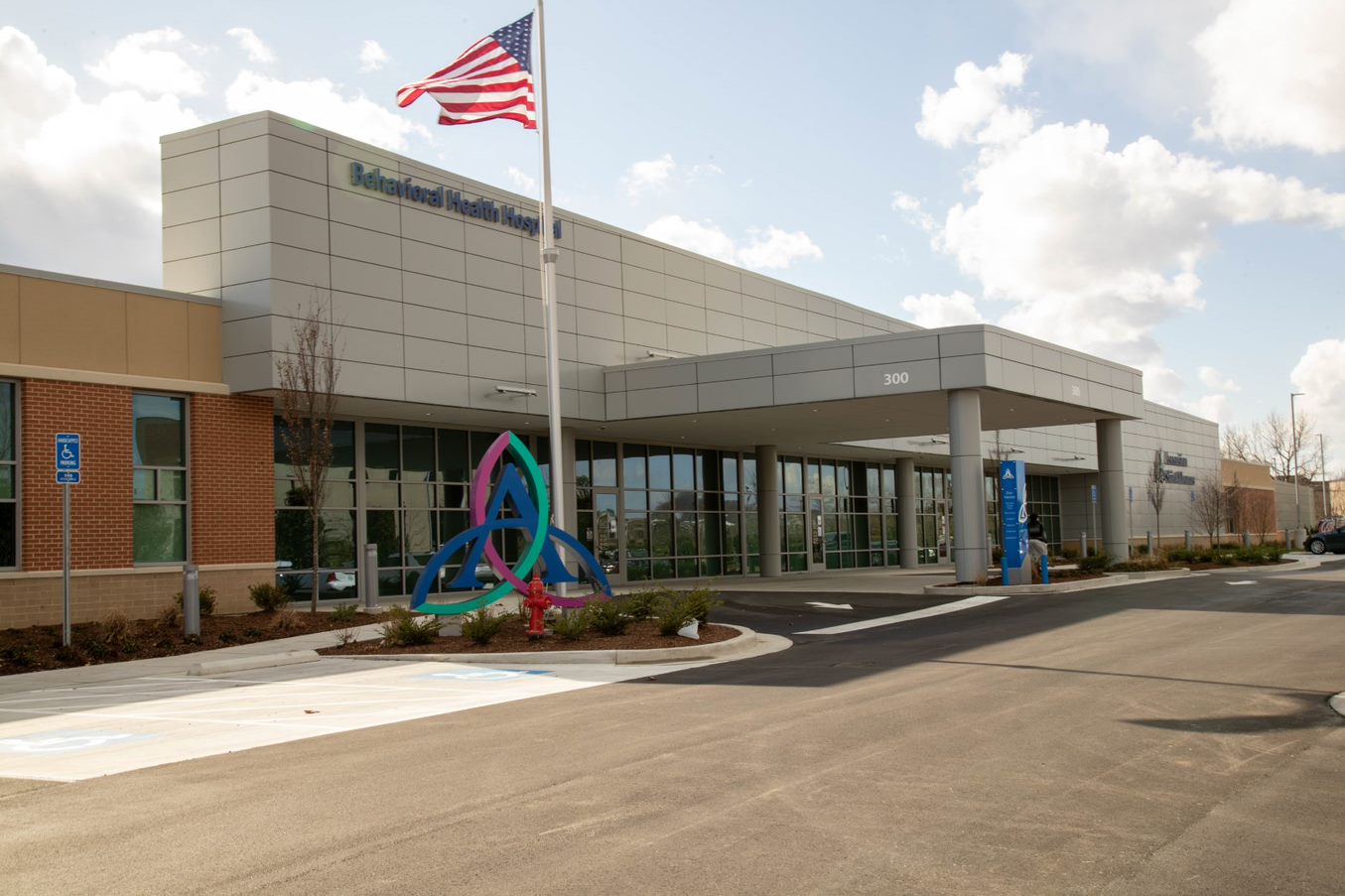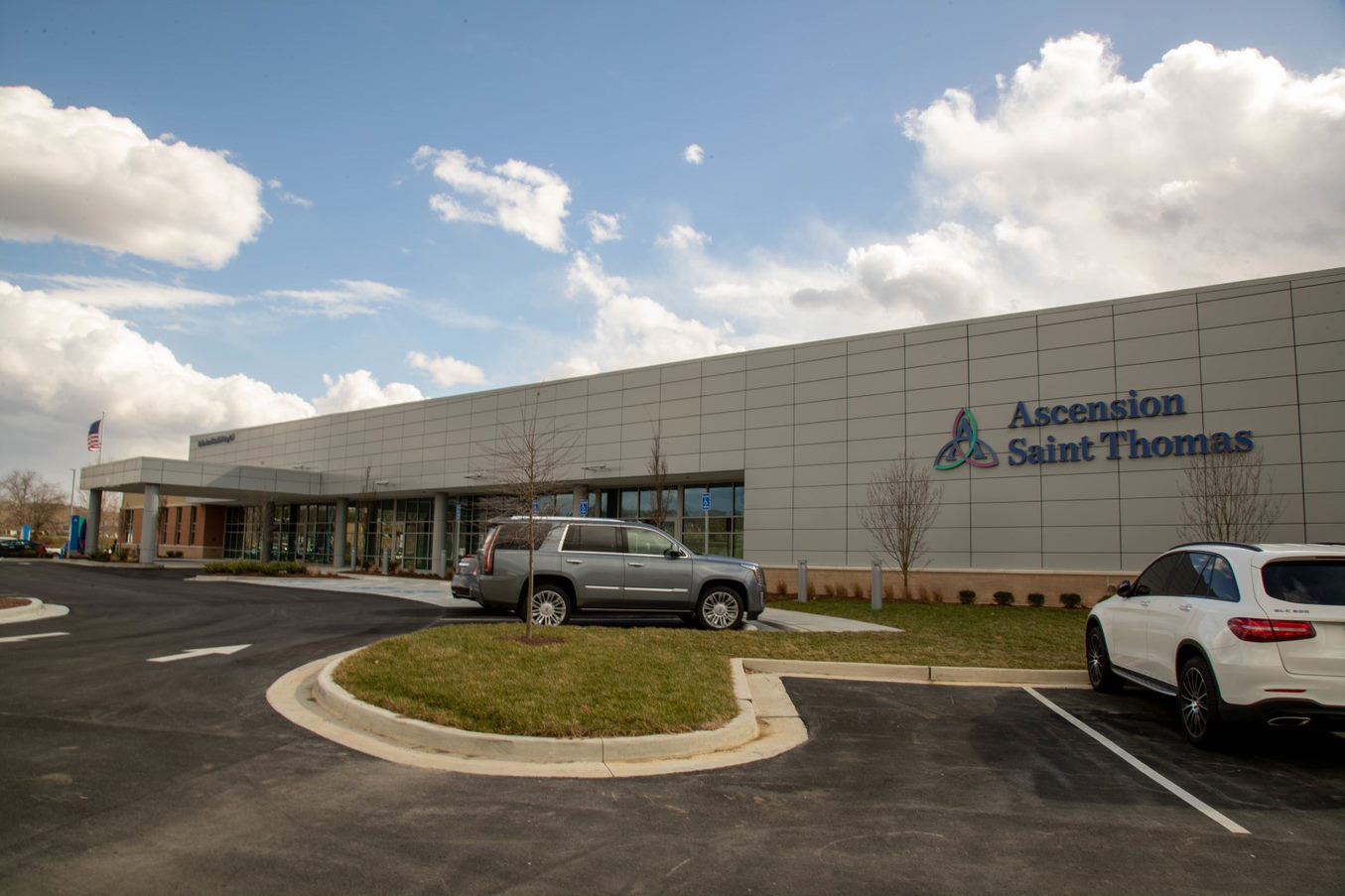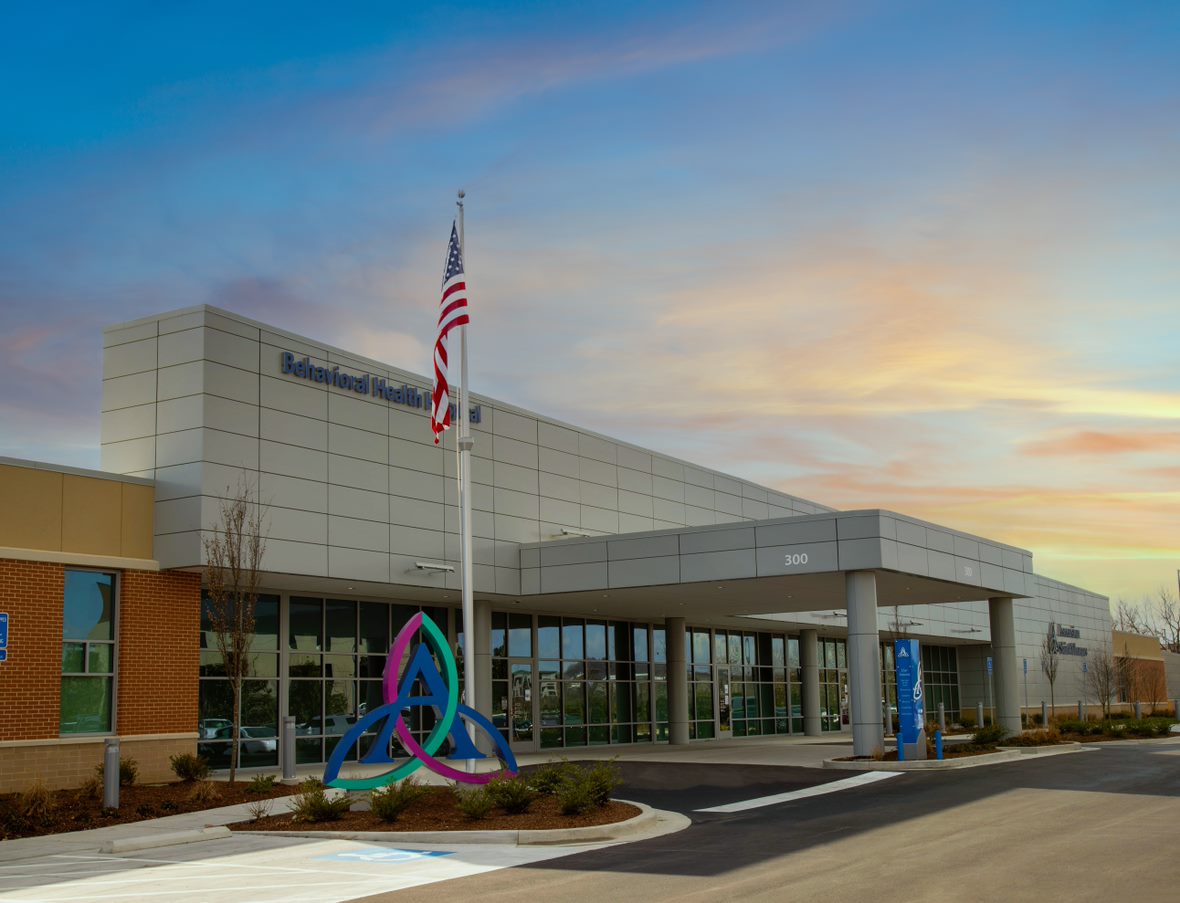
At Ascension Saint Thomas Behavioral Health Hospital in Nashville, Tennessee, we believe in the importance of providing behavioral healthcare that is specifically designed for first responders and military personnel. Our Beyond the Call intensive outpatient program offers these individuals a place where they can step away from the stressors they are facing and focus on finding healing.
Where Warriors Regroup & Recover
Serving on the front lines requires a level of resilience that can be difficult for civilians to understand. First responders and members of the military witness critical incidents, endure cumulative stress and operate under threats to personal safety on an ongoing basis. And they often have little time to process the weight of these experiences before the next call comes in.
Our Beyond the Call program in Nashville is an intensive outpatient program (IOP) that is tailored for military personnel and first responders, offering them an opportunity to receive comprehensive care in a setting that doesn’t require 24/7 monitoring.
In this program, patients receive culturally competent care in a confidential setting where they have the ability to process their experiences under the guidance of compassionate professionals. It also provides a chance for these individuals to find strength among peers who have a shared understanding of the circumstances they face on a daily basis.
Programming Built on Cultural Competence
One of the biggest barriers to seeking help for first responders and members of the military is the fear of being misunderstood. Standard therapy models often fail to account for the specific culture and pressures of the first responder and military professions.
Beyond the Call is different. It was built for first responders by first responders, with privacy, comfort and cultural understanding at its core.
- Therapeutic leadership: The group therapist in our Nashville first responder IOP is a retired law enforcement officer. Having someone with this background ensures that care is provided with directness and respect and based on real-world experience. Patients don’t have to spend time explaining the job because the knowledge is already there.
- Peer support: Patients receive care alongside other first responders and military personnel. This peer-supported environment fosters a sense of camaraderie that is essential for healing.
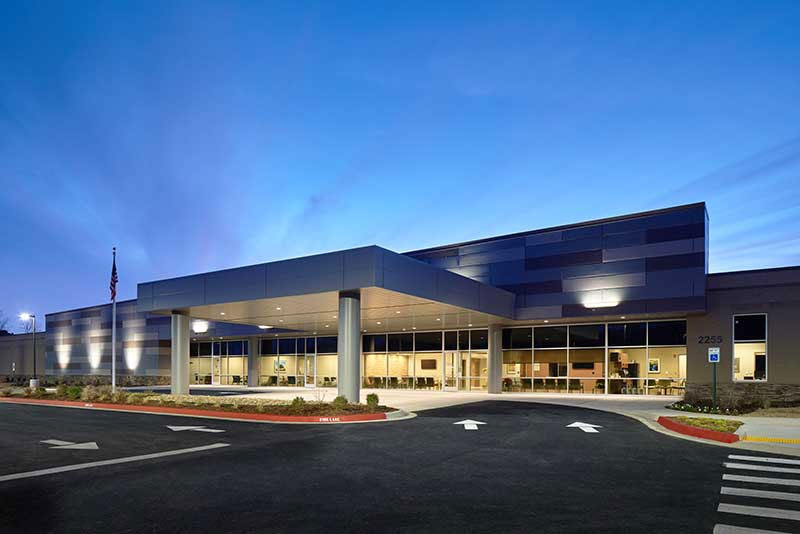
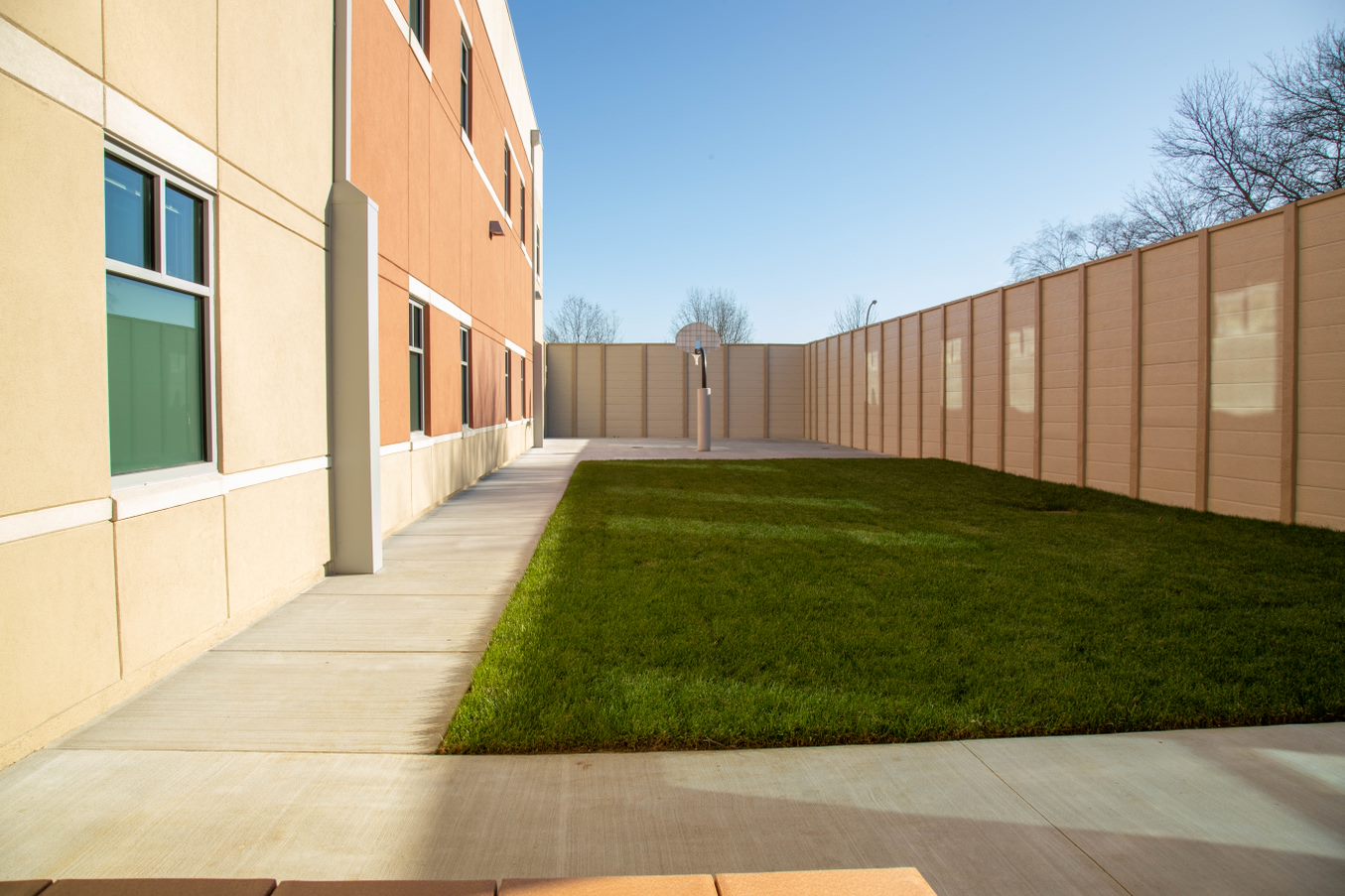
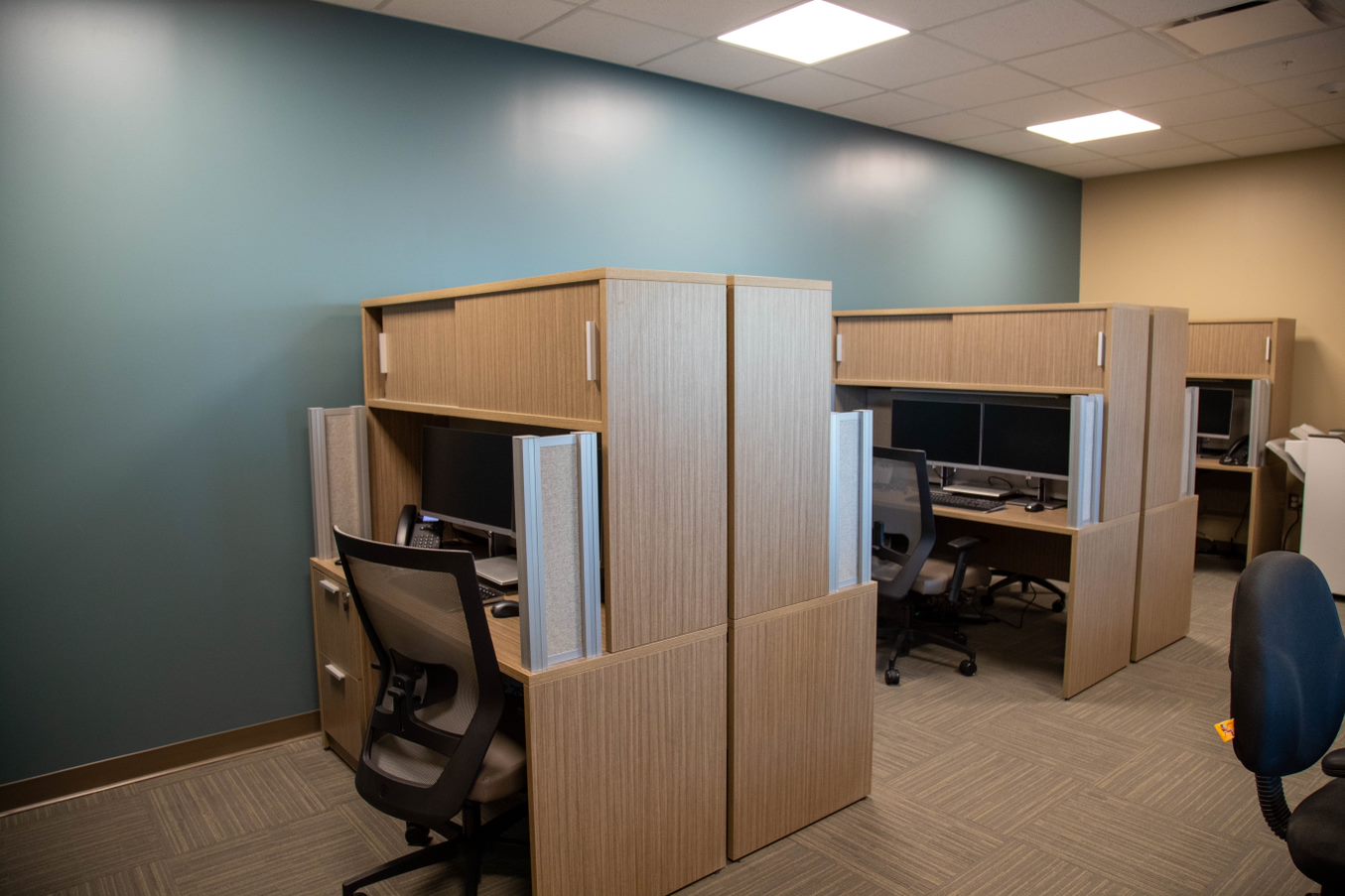
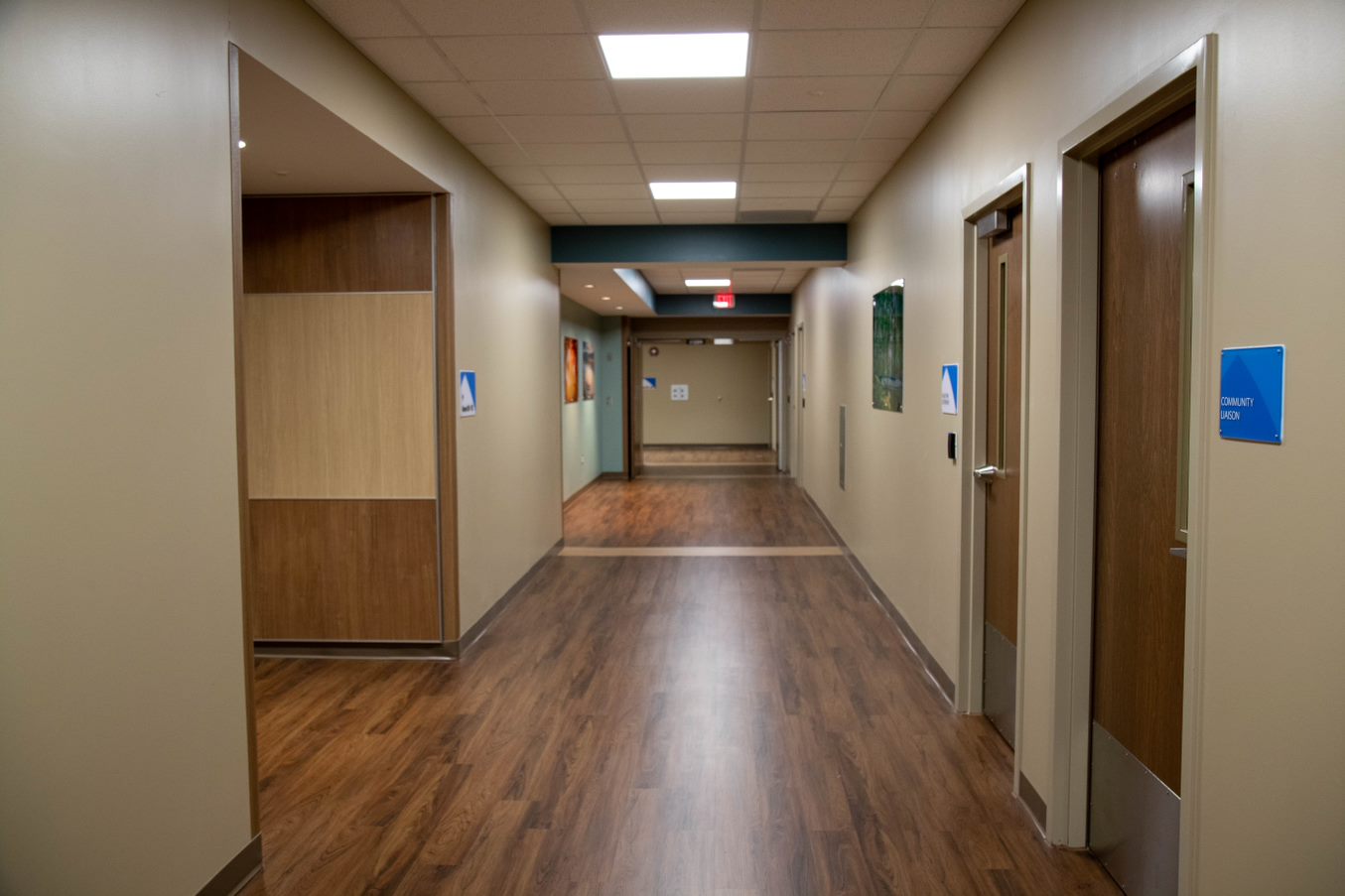
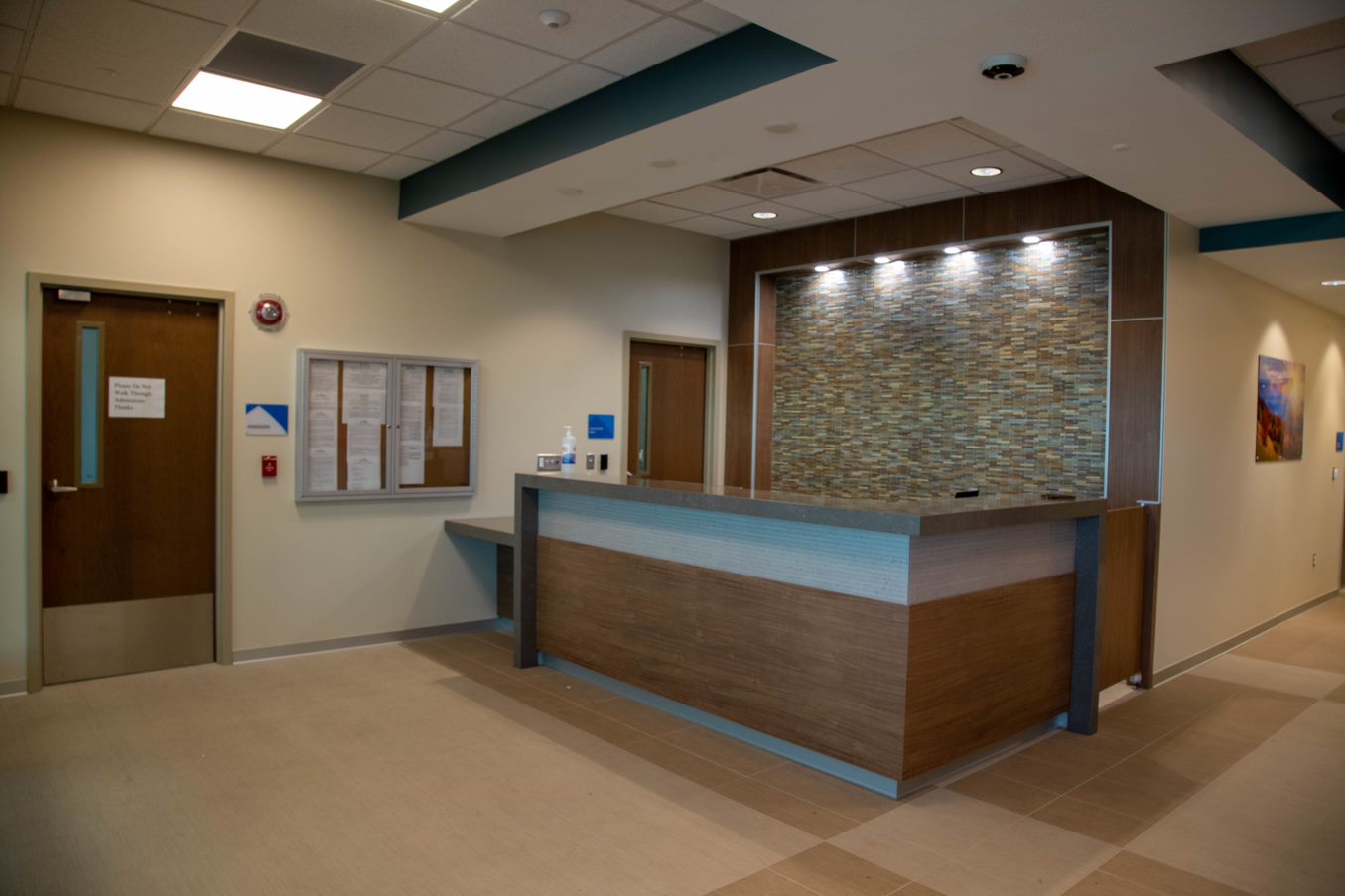
- Private environment: We prioritize our patients’ privacy. The Beyond the Call first responder IOP takes place in a dedicated space that has a separate, private entrance that prevents patients from needing to interact with individuals in the main hospital.
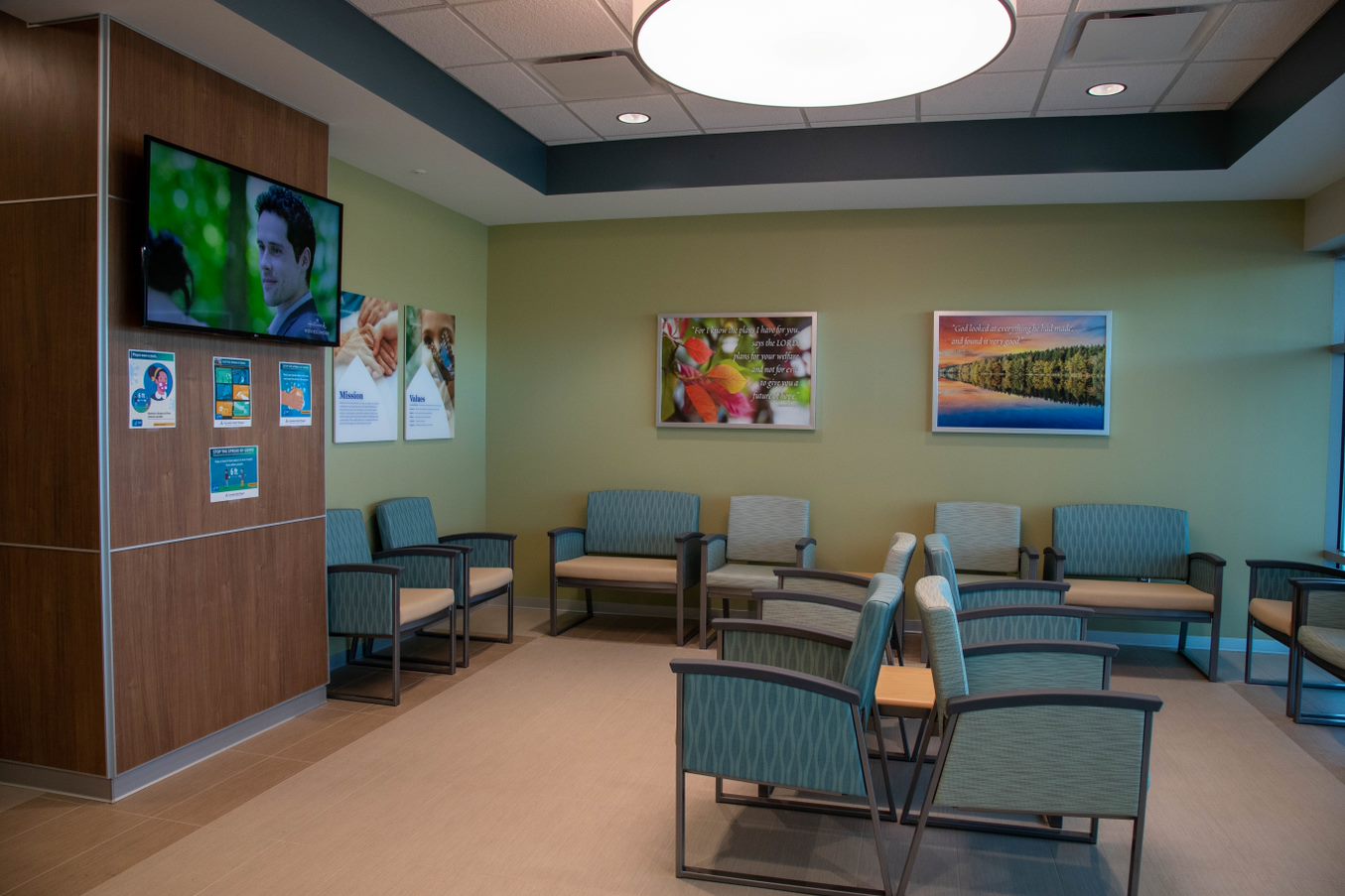
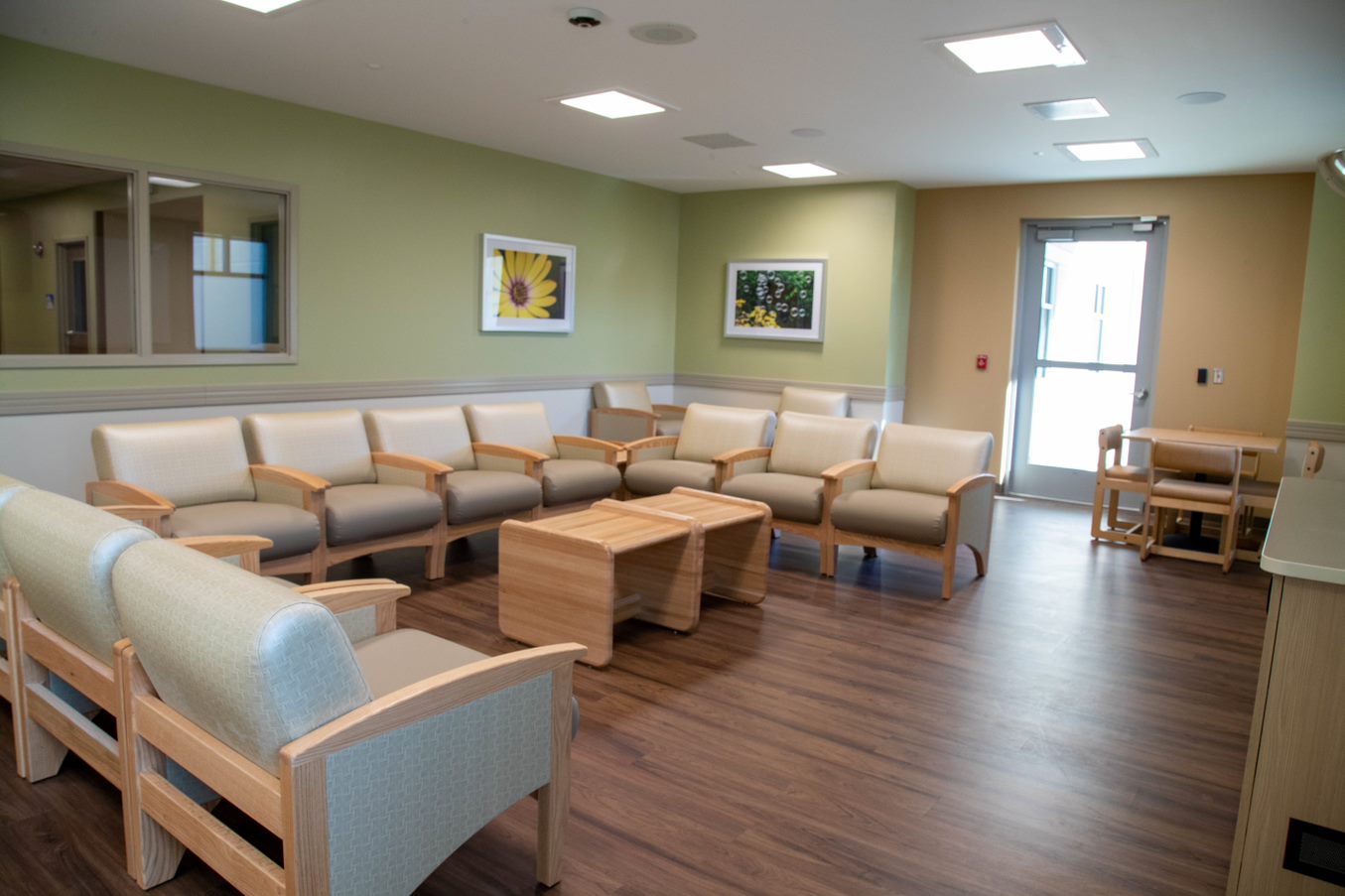
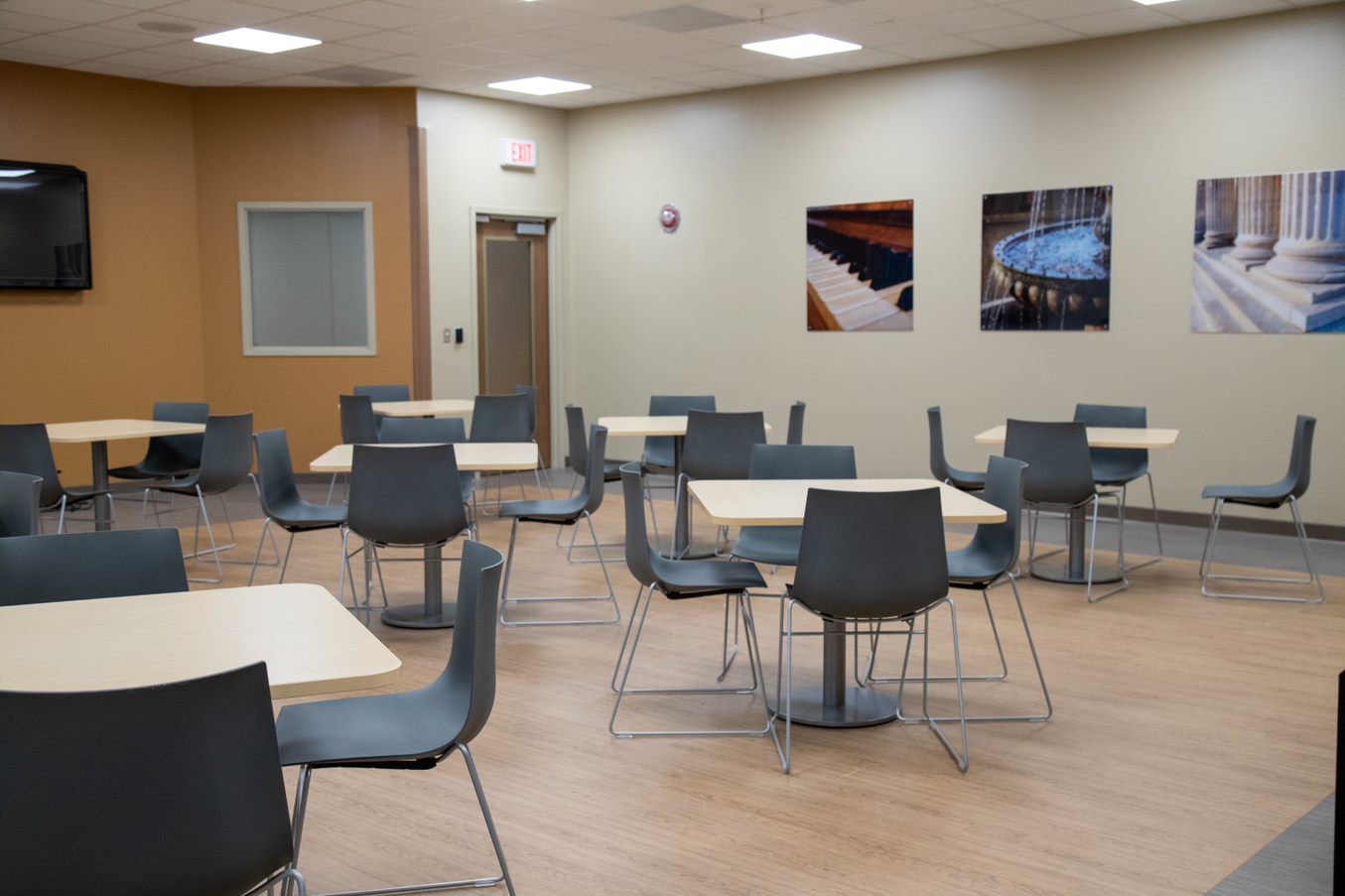
- Comfort over clinical: The area in which patients receive care in our Nashville Beyond the Call IOP is designed to feel like a living room, not a hospital unit. We offer coffee, snacks and a comfortable environment that provides a sense of relaxation.
Who We Treat
First responders and military personnel often face a unique set of behavioral health challenges due to various factors, like sleep deprivation, hypervigilance and exposure to tragedy. In our Beyond the Call IOP in Nashville, Tennessee, we provide comprehensive care for adults age 18 and older who are struggling with concerns such as:
- Depression
- Anxiety
- Posttraumatic stress disorder (PTSD)
- Acute and cumulative symptoms related to experiencing trauma
- Sleep disturbances
- Panic attacks
- Suicidal ideation
- Self-harm
- Co-occurring addictions
We also provide specialized support for individuals who are struggling with moral injury and adjustment disorders related to retirement or major life transitions.
The typical length of stay in our Beyond the Call IOP is six to eight weeks, but each person’s actual length of stay is based on their needs and the progress they make while in the program.
What We Offer
The focus of our Nashville, Tennessee, first responder IOP is on providing practical, skills-based support that is grounded in helping patients develop real-world tools they can apply in their daily lives.
Each person who enters our Beyond the Call program receives an individualized treatment plan that is created based on their specific needs. Depending on what is included in a person’s plan of care, they have access to the following services and therapies:
- Medication management services: Patients who are taking prescription medication can meet with a psychiatrist or nurse practitioner on a biweekly basis.
- Individual therapy: One-on-one therapy sessions with a therapist are available, and the frequency a person takes part in these sessions is outlined in their personal plan of care.
- Family therapy: Family therapy sessions may be scheduled based on a patient’s needs.
- Experiential therapy: Patients can participate in experiential therapies like recreational therapy, music therapy and art therapy daily.
Group therapy is the main method of care we use in our Nashville first responder IOP. Groups take place four days a week and can include process groups, psychoeducational groups, activity groups, skills-based groups, peer support groups and values and identity groups. The topics discussed during these group sessions will vary but may include:
- Managing occupational stress and the effects of cumulative trauma
- Understanding the impact of trauma on the brain and body
- Healthy boundaries at work and home
- Navigating relationships and family conflict
- Anger and impulse control
- Substance use awareness and relapse prevention
- Identifying personal triggers and early warning signs
- Developing positive coping skills and practicing emotion regulation
- Building and maintaining healthy support systems
- Sleep hygiene and the importance of rest in recovery
- Stress debriefing and critical incident processing
- Mindfulness and grounding techniques
- Strengths exploration and values-based decision-making
- Self-care and resilience building
- Medication compliance
- Psychiatric support education
- Crisis interventions and safety planning
Clinical Modalities Used
Programming is intentionally structured to emphasize action-oriented strategies that promote mental resilience, reintegration and overall wellness. We utilize evidence-based treatment modalities that have proved to be effective for people who are struggling with the effects of trauma, stress-related disorders and other behavioral health concerns, including:
- Cognitive behavioral therapy (CBT)
- Dialectical behavior therapy (DBT)
- Trauma-focused therapy
- Motivational interviewing
- Solution-focused brief therapy (SFBT)
- Narrative therapy
Additionally, eye movement desensitization and reprocessing (EMDR) may be offered based on clinical need and program development.
Confidential & Streamlined Admissions
We have created a streamlined admissions process to help connect people with the care they need quickly.
Individuals have direct access to the program, meaning that first responders can self-refer and do not need a referral from a doctor or emergency department. The process begins with an assessment, which helps our team gain a full understanding of a person’s presenting symptoms, identify any co-occurring mental health or substance use concerns, and tailor a treatment plan that fits their specific needs. This personalized approach not only guides our patients’ care during their time in the program, but it also helps ensure a smooth and supportive transition once their time at our hospital has come to an end.
To reduce barriers to care, assessments can be conducted virtually, or they can be scheduled online 24 hours a day, seven days a week.
This content was written on behalf of and reviewed by the clinical staff at Ascension Saint Thomas Behavioral Health Hospital.